|
|
info.ebcs48@gmail.com
|
info.ebcs48@gmail.com

Here are the fundamental steps for fruitful low-pressure crack injection. Remember, though, that the kind of epoxy or polyurethane used and the time required for injection would vary with each job depending on the crack width, wall thickness, plus other circumstances. Usually, these could also be bought as crack repair kits that come with all the tools and supplies required for the project.
Install injection ports:
Surface Ports (short rigid plastic tubes with a flat base) serve as handy entryways for getting the repair material into the crack. They eliminate the requirement to drill into the concrete, reducing labor time and cleanup. The base of the port is placed directly over the crack plus bonded to the surface with an epoxy paste. A general rule of thumb is to space the ports an inch apart for each inch of wall thickness.
Seal the surface:
Use an epoxy adhesive (like Rhino Carbon Fiber’s Fast Curing Epoxy) to seal over the surface ports and exposed cracks. The paste cures in about 20 to 45 minutes to provide a surface seal with outstanding bond characteristics that holds up under injection pressures. The entire exposed crack is covered with the paste, leaving just the port holes uncovered.
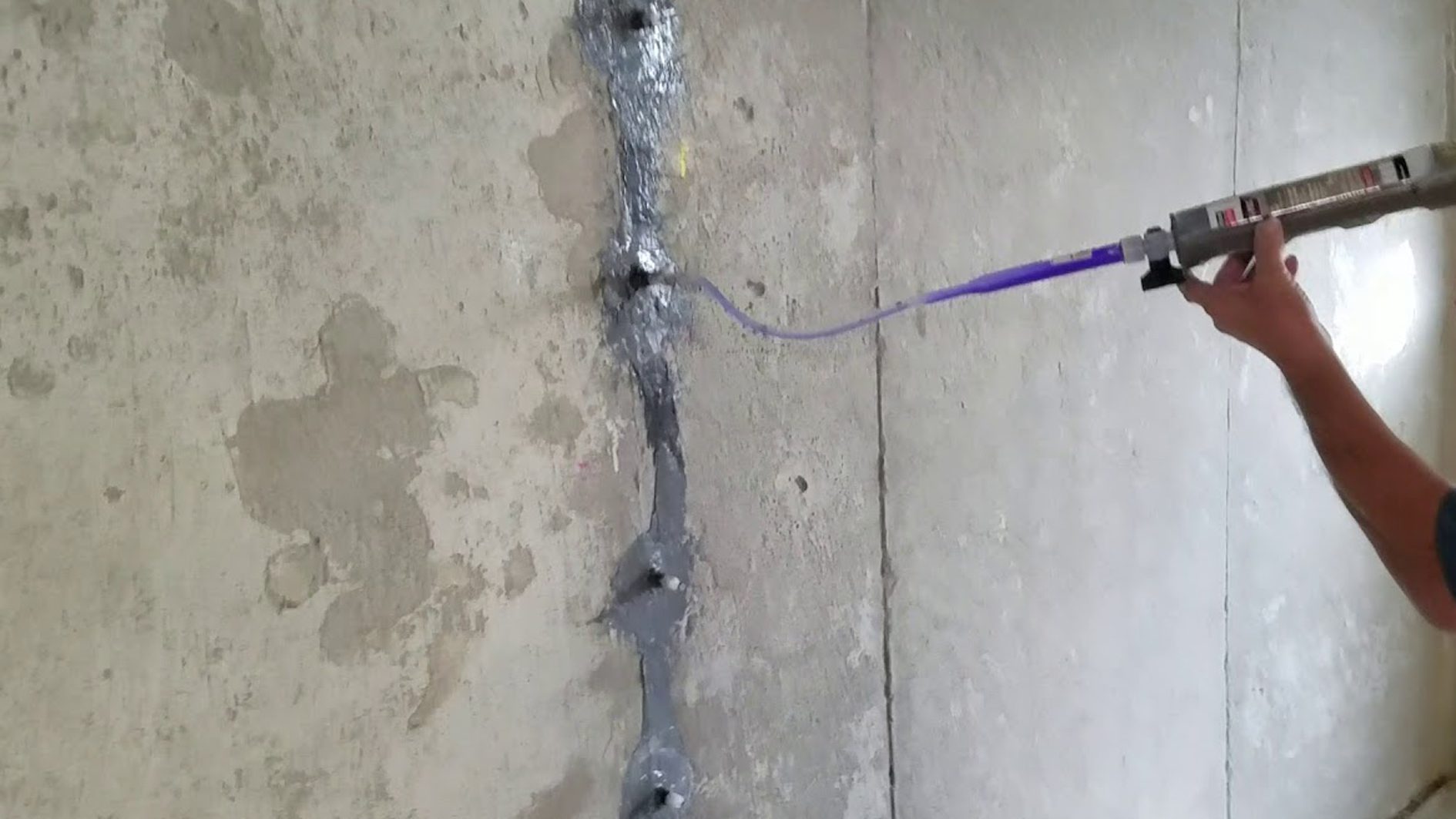
Start injecting at the lowest port on the wall plus continue until the epoxy or urethane starts to ooze out of the port above it. That is the visual sign that the crack has been filled to that level. Plug the 1st port with the cap provided and move up to the next port, repeating this process until the entire crack has been filled with epoxy or urethane. Let the compression spring on the dispensing tool push the material into the crack using slow, constant pressure. This might reduce the possibility of leaks or blow-outs and permit time for the repair material to fully penetrate the crack.
Remove the ports:
Allow 24 to 48 hours at room temperature for the epoxy or polyurethane to cure and penetrate the cracks. The injection ports can then be detached by striking them with a trowel or hammer. If appearance is a problem, the epoxy surface seal could be chipped away or ground off with a sanding disk. Another option is to use a surface seal that could just be peeled off the wall after the repair is completely cured.
Crack Repair Injections:
Our particularly formulated crack repair injection scheme is designed to push water away and permanently restore structural power to concrete. The use of our injection systems delivers superior solutions to cracks in concrete basements, foundation walls plus structures.
Our expressed epoxy system is designed to stop concrete deterioration at the crack, by protecting the steel reinforcement inside the impacted area. The urethane injection resin is performed to push water away to facilitate the sealing of cracks in basement walls. Our scheme could restore structural strength to the home, by protecting the interior living space from incoming water, air, and bugs.
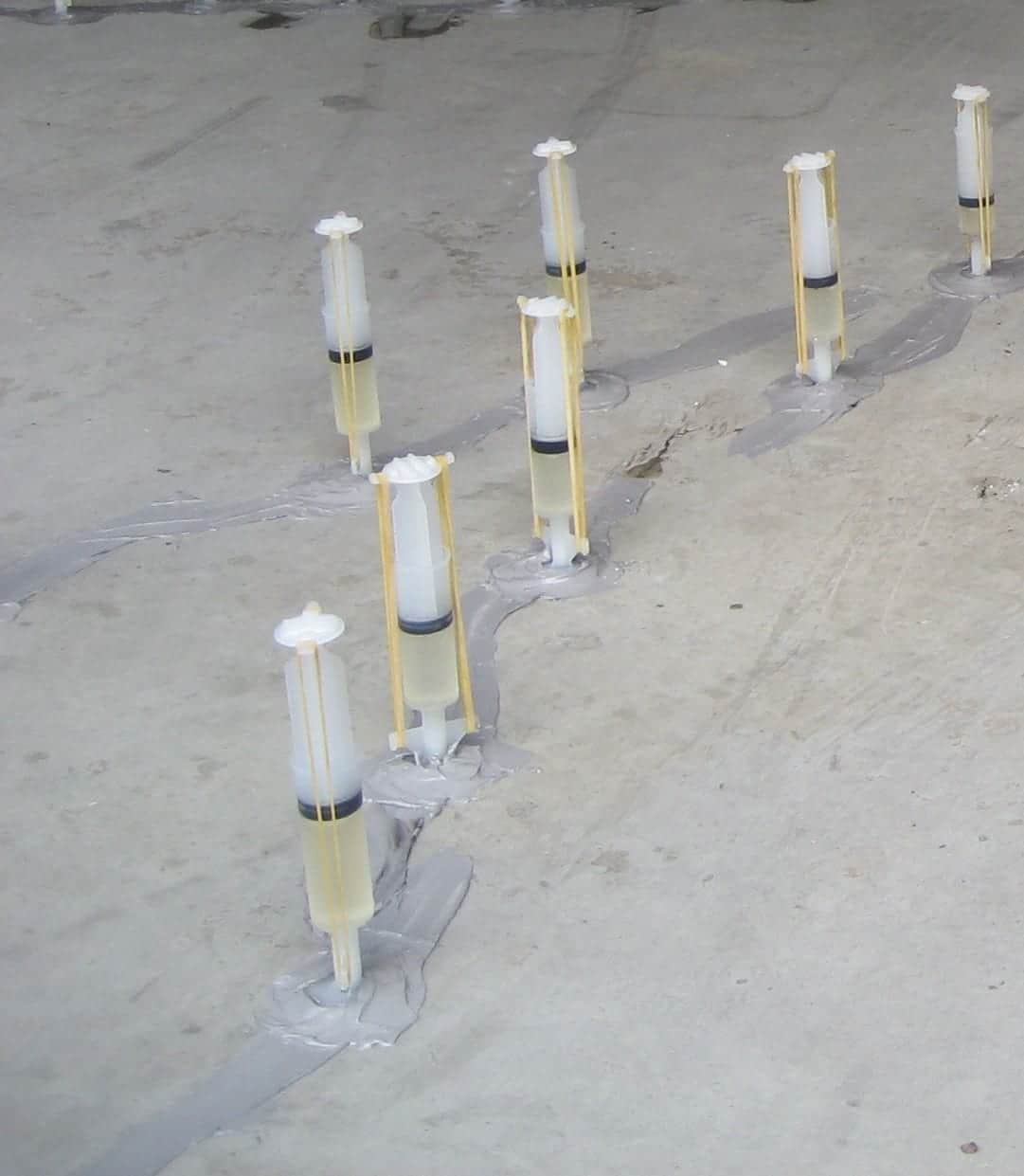
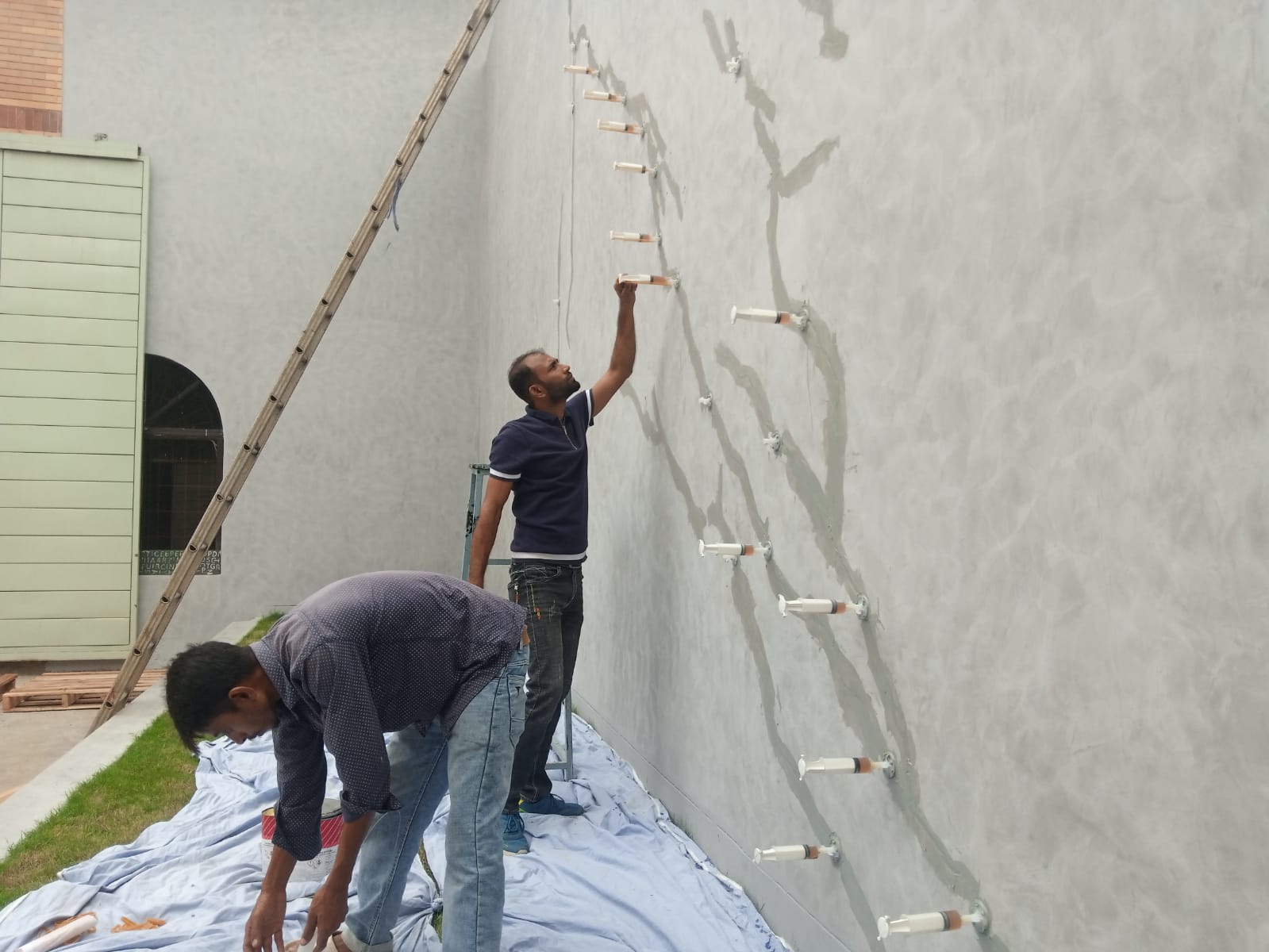
Epoxy Injection is a repair method that involves injecting a two-part epoxy resin into cracks and other damage areas in concreate structures. The epoxy acts as an adhesive to bond the cracked surfaces together, restoring the concrete's structural integrity.
Copyright Ⓒ 2024 Engineers Building Care Services All Rights Reserved.